

Introduction
Ethereum has faced significant challenges in 2026, with its price declining by over 36%. Despite this downturn, the network's fundamentals remain strong, and traditional finance (TradFi) institutions continue to invest in Ethereum. This article explores the reasons behind the sustained interest in Ether and what the future may hold.
Current Market Conditions
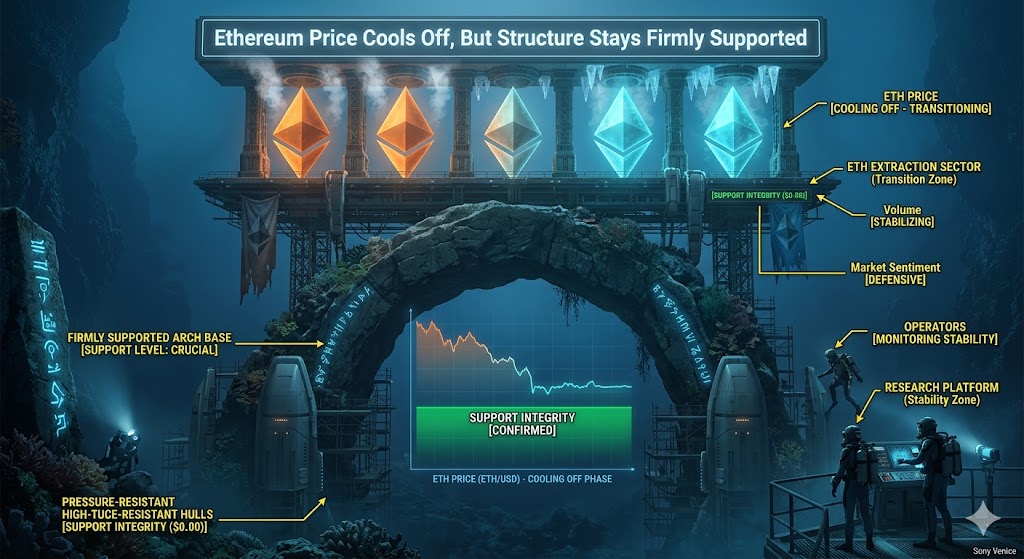
As of early 2026, Ether's price has struggled to maintain the $3,000 level, recently retreating to around $1,900. This decline has sparked frustration among investors, yet the underlying fundamentals of Ethereum suggest a resilient network. Institutional adoption is accelerating, with major players like JP Morgan and BlackRock launching projects on the Ethereum blockchain.
Institutional Adoption and Total Value Locked
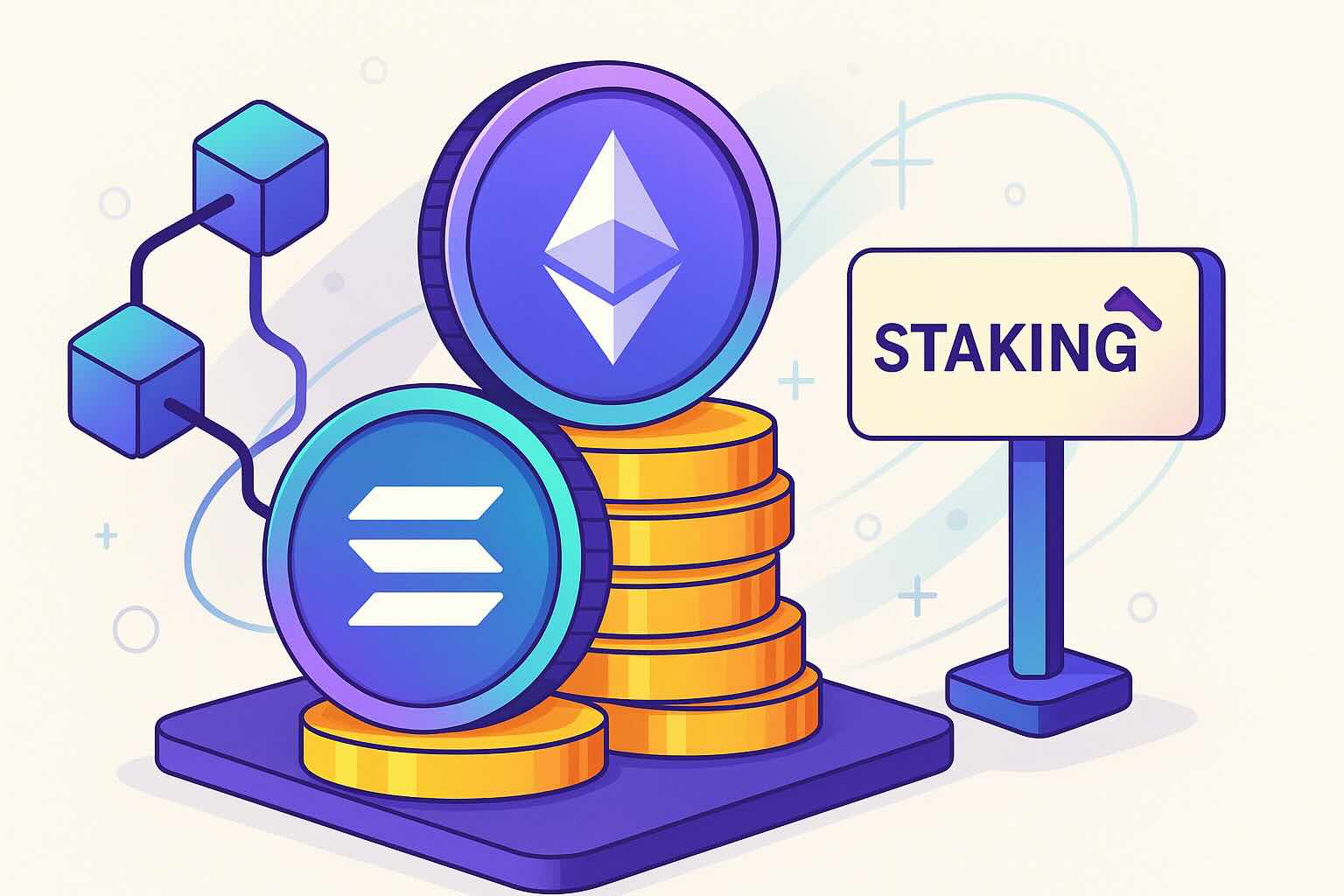
Ethereum holds a dominant position in the decentralized finance (DeFi) space, commanding 65% of the total value locked (TVL) in the market. This translates to approximately $52.4 billion locked in Ethereum-based projects, a stark contrast to competitors like Solana, which has a TVL of $6.4 billion. This institutional interest indicates confidence in Ethereum's long-term viability.

Challenges and Future Developments
Despite its strengths, Ethereum faces challenges, particularly in terms of transaction fees and competition from other blockchains. Critics argue that Ethereum's focus on layer-2 solutions has not delivered the expected results. However, co-founder Vitalik Buterin is shifting focus back to base layer scalability, which could enhance Ethereum's efficiency and security.
Key Takeaways
- Ethereum's price has dropped significantly in 2026.
- Institutional adoption continues to grow.
- Ethereum holds a 65% market share in total value locked.
- Future developments may enhance scalability and efficiency.
FAQ
What is Ethereum's current price trend?
Ethereum has seen a price decline of over 36% in 2026, with recent prices around $1,900.
Why do institutions invest in Ethereum?
Institutions see Ethereum as a leading platform for decentralized finance and are launching various projects on its blockchain.
What are the future plans for Ethereum's scalability?
Vitalik Buterin is focusing on improving base layer scalability and implementing zero-knowledge technology to enhance performance.
Conclusion
Ethereum's journey in 2026 has been turbulent, but its fundamentals and institutional backing suggest a potential recovery. As the network continues to innovate and adapt, it remains a cornerstone of the DeFi landscape.
Sources
For further reading, visit the original article on Cointelegraph.