

Introduction
Ethereum is currently navigating a challenging landscape, on the verge of experiencing a rare third consecutive negative quarter. This trend has raised concerns among traders, who are becoming increasingly cautious. Despite this, there are stronger signals emerging from the staking sector, suggesting that long-term holders are still committed to the network's future.
The Importance of Quarterly Returns
Quarterly returns are crucial as they help smooth out the daily price fluctuations that can often mislead investors. While a poor day or week can be attributed to external market conditions, a series of weak quarters begins to shape a more concerning narrative. If Ethereum (ETH) ends another quarter in the red, it could reinforce the perception that the cryptocurrency is struggling to regain sustained momentum.
Comparing Ethereum and Bitcoin
In contrast, Bitcoin has been enjoying a clearer institutional narrative, particularly with the introduction of spot ETFs. While Ethereum possesses its own strengths, the market has not rewarded them in the same manner. This creates a dilemma for Ethereum bulls, as the fundamentals may appear strong, yet the price action tells a different story.
Staking: A Sign of Commitment
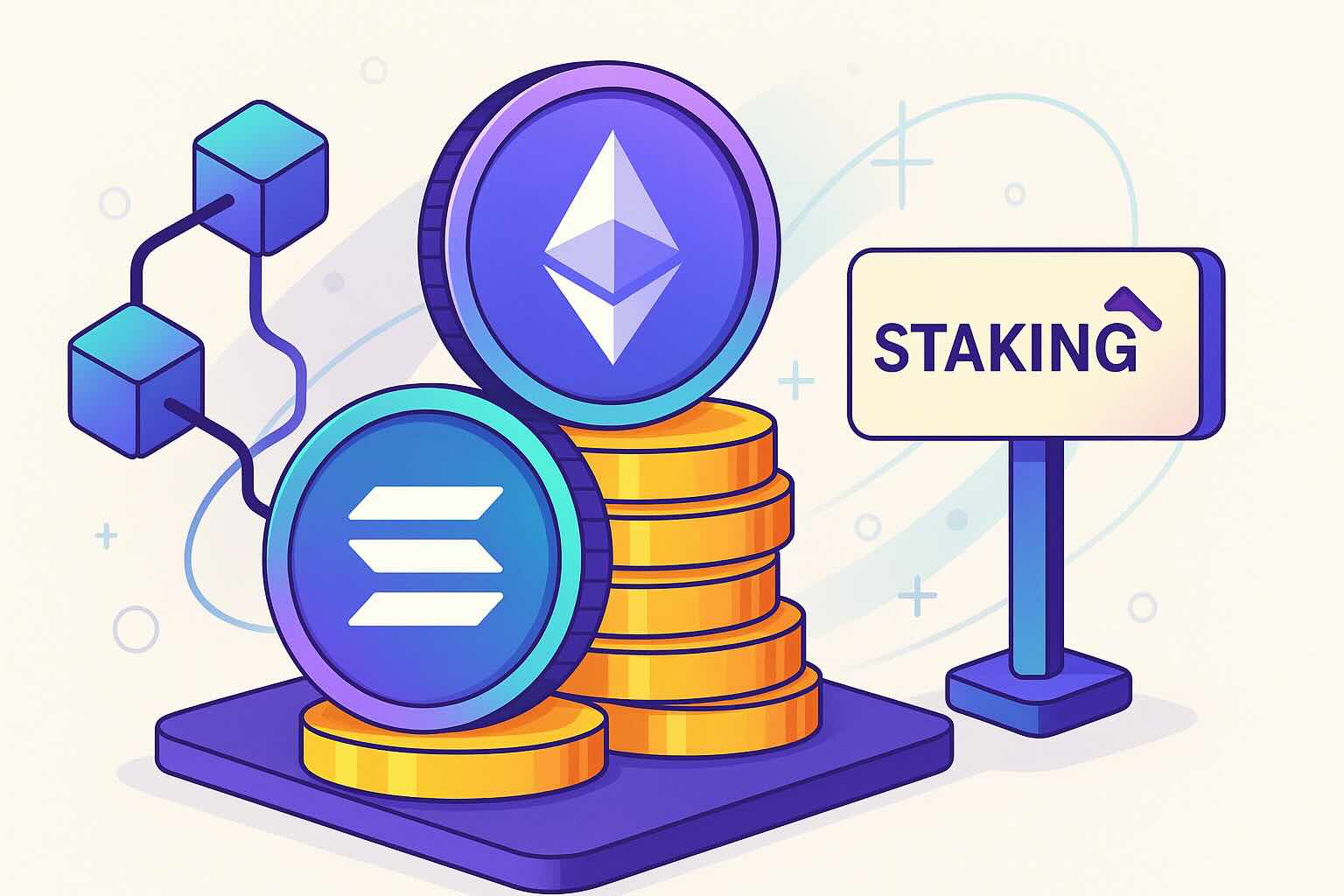
A robust staking base indicates that many ETH holders are committed to long-term exposure. Staked ETH differs from locked ETH, as it allows holders to earn yield while remaining engaged with the network. This commitment is vital, as Ethereum's long-term viability relies not just on price, but also on validator participation, network security, application activity, and its role in the broader ecosystem.

However, the strength in staking does not necessarily translate to price strength. Ethereum has been lagging behind Bitcoin in terms of institutional flow momentum, and the broader altcoin market has shown uneven performance. If Bitcoin continues to attract liquidity, Ethereum may find itself in a challenging position—too large to act like a high-beta small-cap altcoin, yet not as appealing for institutional allocation as BTC.
What Ethereum Needs to Rebound
For Ethereum to regain its footing, it requires more than just a compelling staking narrative. It must reclaim key price levels, attract stronger demand in the spot market, and demonstrate that buyers are willing to defend higher lows. Until these conditions are met, traders may view staking as a supportive signal rather than a catalyst for price increases.
- Ethereum is nearing a third consecutive negative quarter.
- Staking signals indicate long-term holder commitment.
- Quarterly returns can shape market narratives.
- Bitcoin's institutional story contrasts with Ethereum's challenges.
- Staking does not guarantee price strength.
FAQ
What is Ethereum staking?
Ethereum staking involves locking up ETH to support network operations, allowing holders to earn rewards while contributing to network security.
Why are quarterly returns important?
Quarterly returns help investors understand the overall performance of an asset, smoothing out daily volatility and providing a clearer picture of market trends.
How does Ethereum compare to Bitcoin?
While both are leading cryptocurrencies, Bitcoin has a more established institutional narrative, whereas Ethereum is still working to solidify its market position.
Sources
For more information, visit the original article at Bitcoinist.