
Introduction
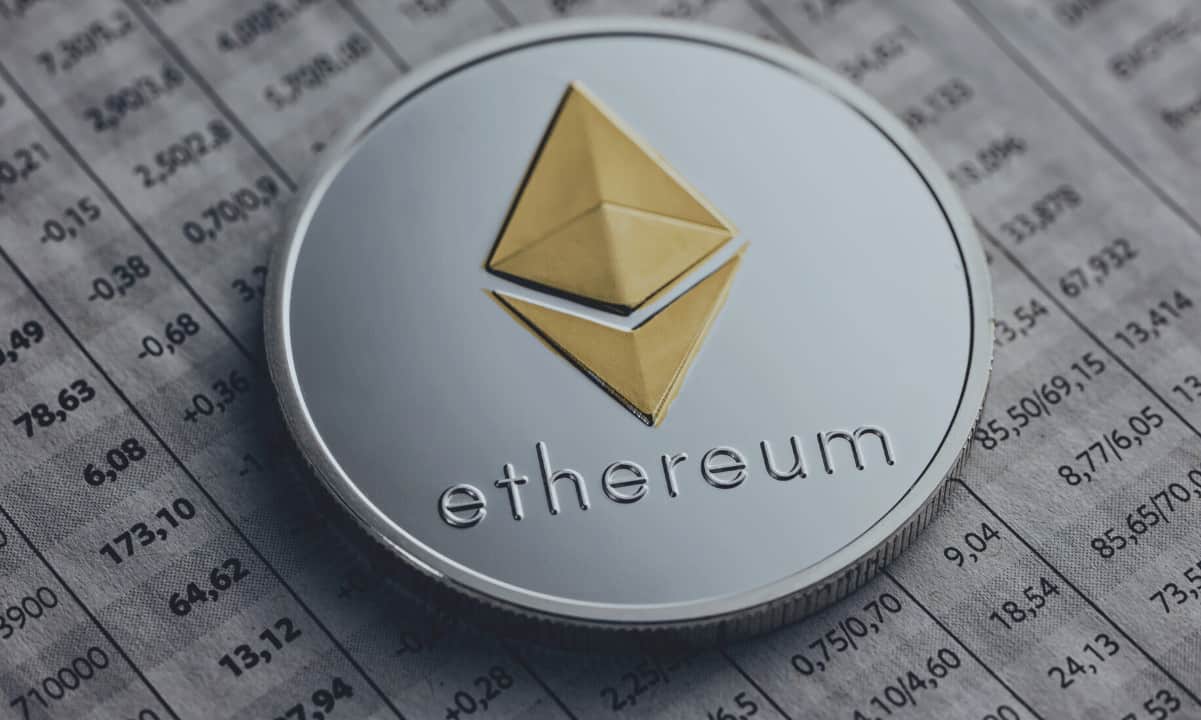
The recent amendments to Morgan Stanley's exchange-traded funds (ETFs) for Ethereum and Solana have brought attention to the evolving landscape of crypto asset management. With a proposed annual sponsor fee of just 0.14%, these funds are positioning themselves competitively within the market. This article explores the implications of these filings, particularly focusing on the staking rewards and fee structures that could redefine investor engagement with altcoin ETFs.
Understanding the Fee Structure
The amended filings reveal that Morgan Stanley plans to retain 95% of staking rewards for investors, while only 5% will be allocated to staking service providers. This approach is significant as it contrasts with traditional ETF models that often prioritize management fees over investor returns. The low fee of 0.14% places these proposed funds at the lower end of the cost spectrum, making them attractive for cost-sensitive investors.
The Importance of Staking in ETFs
Staking has emerged as a critical factor in the competitiveness of Ethereum and Solana ETFs. As proof-of-stake networks, both cryptocurrencies allow holders to earn rewards through their participation in network validation. This staking mechanism introduces a new layer of complexity to ETF structures, as it can affect operational, regulatory, and liquidity aspects. The proposed structure by Morgan Stanley aims to mitigate these risks while maximizing returns for investors.
Market Dynamics and Competition
The crypto ETF market is rapidly evolving, with major financial institutions like Morgan Stanley entering the fray. The competition is not merely about fees anymore; it encompasses the entire value proposition offered to investors. As more issuers propose staking-enabled ETFs, the market may see a shift in how these products are designed and marketed. Investors will likely compare not only expense ratios but also the potential for network yield.
Key Takeaways
- Morgan Stanley's proposed ETFs feature a low 0.14% annual fee.
- 95% of staking rewards will be retained for investors.
- The competition among crypto ETFs is intensifying.
- Staking introduces new risks and opportunities for ETF structures.
- Regulatory approval remains a key hurdle for these products.
FAQ
What is the significance of the 0.14% fee?
The 0.14% fee positions Morgan Stanley's ETFs competitively, appealing to investors looking for lower costs in crypto asset management.
How does staking work in these ETFs?
Staking allows investors to earn rewards by participating in network validation, with a significant portion of these rewards retained within the fund.
What are the risks associated with staking?
Staking can involve operational risks, regulatory challenges, and potential losses if validators fail or behave improperly.
Sources
This report is based on SEC EDGAR filing materials accessible through the SEC company search framework and market reporting on the amended Morgan Stanley Ethereum and Solana trust filings. For more information, visit Bitcoinist.