

Introduction
Bitcoin, the leading cryptocurrency, has recently experienced significant volatility, particularly affecting long-term holders. As the market reacts to various economic indicators and investor sentiment, these holders are showing signs of strain. This article explores the current state of Bitcoin's long-term holders, the implications of recent sell-offs, and what the future may hold for this digital asset.
The Current Market Landscape
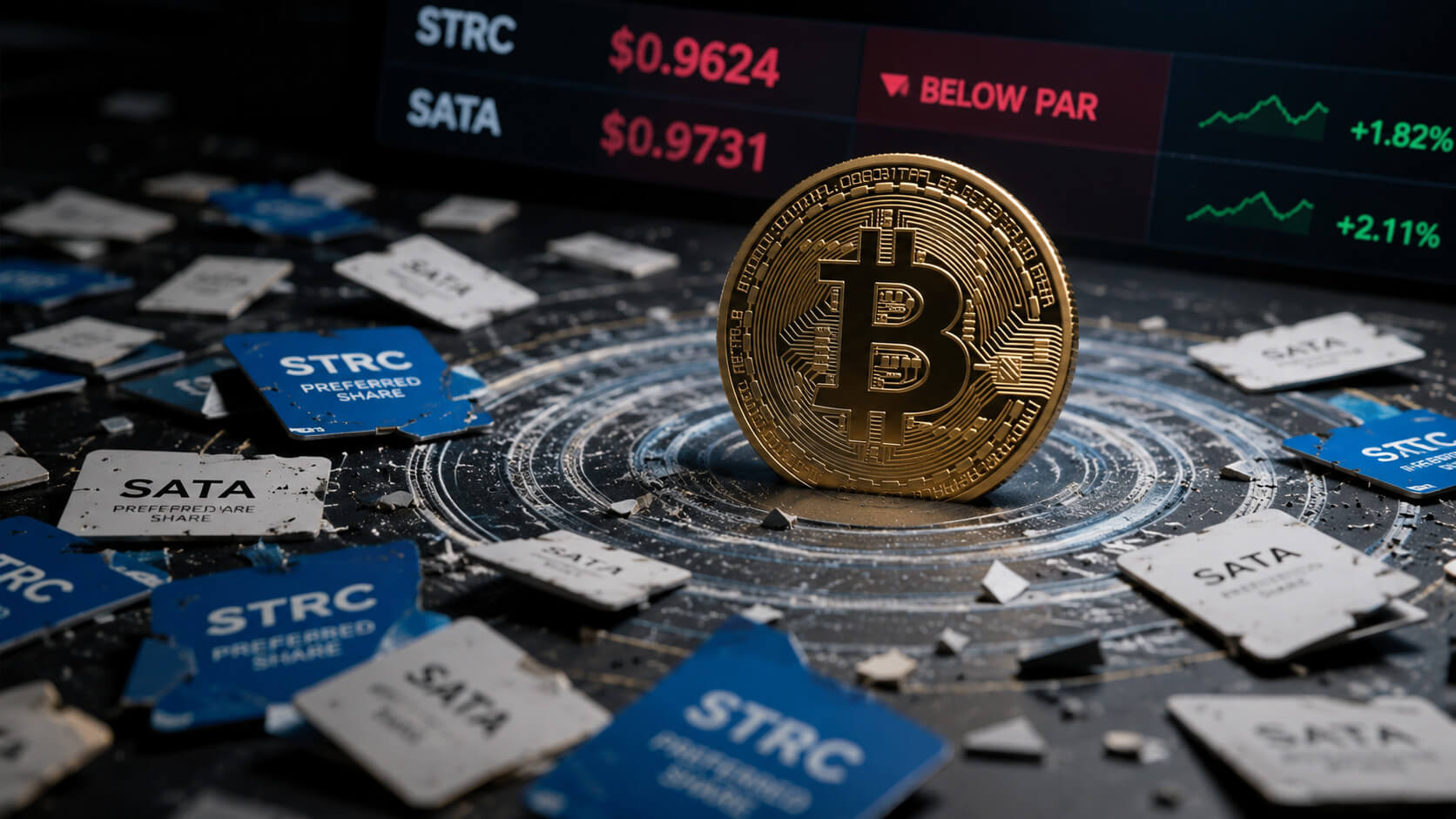
February has proven to be a challenging month for Bitcoin, with a notable dip to $62,800. This decline has raised concerns among long-term holders, often considered the backbone of the market. Historically, these investors have provided stability during turbulent times, but recent data suggests a shift in their conviction.
According to on-chain analytics from Glassnode, the Long-Term Holder Spent Output Profit Ratio (SOPR) has fallen below 1, indicating that many veteran investors are now realizing losses. This behavior is reminiscent of previous bear market phases, particularly the LUNA crash in May 2022.
Analyzing the Sell-Off
The sell-off in February has been attributed to various factors, including macroeconomic data. The U.S. added 130,000 jobs in January, which dampened expectations for a Federal Reserve rate cut, leading to a decline in risk assets such as Bitcoin. Despite inflation slowing to 2.4%, the anticipated recovery rally failed to materialize.
Market analysts are closely monitoring the situation, with some suggesting that if the $65,000 level breaks, $54,000 may serve as the next critical support level. This potential drop raises questions about the resilience of long-term holders and their capacity to weather further declines.
The Contrarian Viewpoint
Despite the prevailing pessimism, some analysts argue that the $60,000 level could act as a floor for Bitcoin in the near term. Sean McNulty, APAC derivatives trading lead at FalconX, believes that healthy buying flows could support this level. He notes that a significant wall of buyers has emerged to absorb the capitulation of short-term holders.
This perspective highlights the importance of market sentiment and buying pressure in determining Bitcoin's trajectory. While extreme pessimism has characterized recent market behavior, the absence of a systemic blow-up, such as the FTX collapse, suggests that further declines may be limited.
Key Takeaways
- Long-term holders are showing signs of strain amid recent sell-offs.
- The SOPR falling below 1 indicates realized losses among veteran investors.
- Market analysts are eyeing $54,000 as a potential support level.
- Contrarian views suggest $60,000 could hold as a cycle floor.
- Healthy buying flows may mitigate further declines.
FAQ
What is the SOPR?
The Spent Output Profit Ratio (SOPR) is an on-chain metric that measures the profitability of Bitcoin transactions. A ratio below 1 indicates that holders are selling at a loss.
Why are long-term holders important?
Long-term holders provide stability to the market and often help establish price floors during downturns. Their behavior can significantly influence market trends.
What factors influence Bitcoin's price?
Bitcoin's price is influenced by a variety of factors, including macroeconomic data, investor sentiment, regulatory news, and market demand.
Sources
For more information, visit the original article on Decrypt.