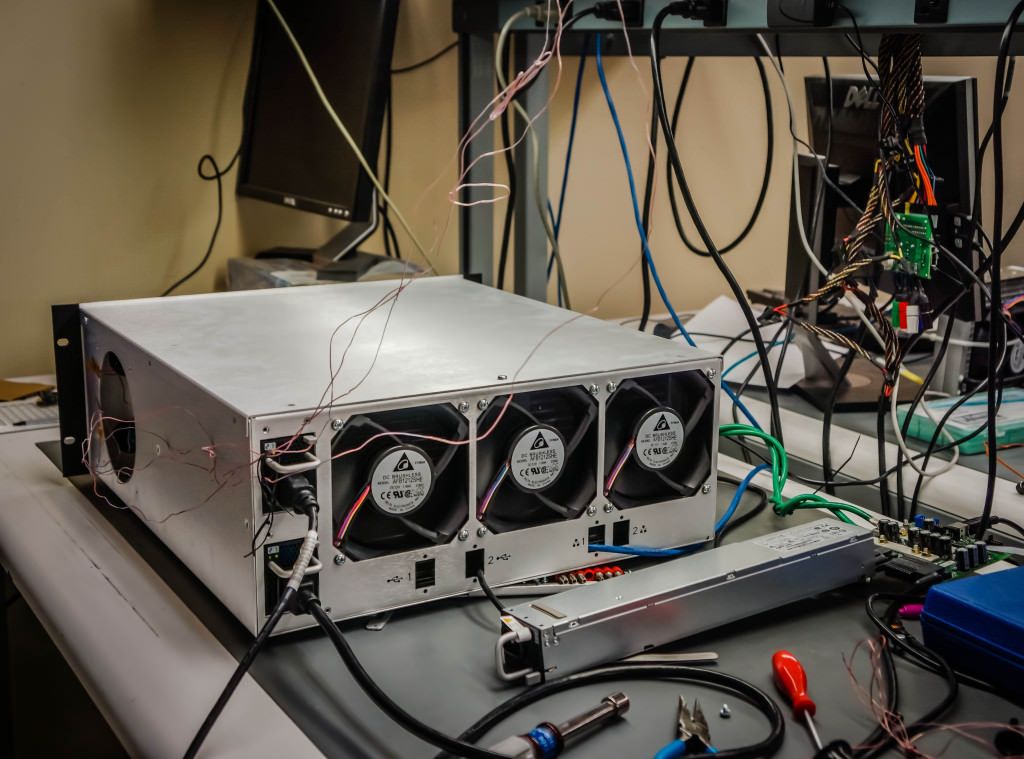


What Is Proof of Work?
Proof of Work (PoW) is a consensus mechanism that allows decentralized blockchain networks to agree on the validity of transactions without relying on a central authority.
In a Proof of Work system, participants known as miners compete to solve cryptographic puzzles. The first miner to find a valid solution earns the right to add a new block of transactions to the blockchain and receives a reward.
The “work” refers to the computational effort required to solve these puzzles. This effort makes it extremely expensive and impractical to manipulate the network.
Proof of Work was first introduced by Bitcoin in 2009 and remains one of the most battle-tested security models in blockchain history.
How Proof of Work Works
-
Transactions are broadcast to the network.
-
Miners collect transactions into a candidate block.
-
Miners compete to find a hash below a specific difficulty target.
-
The first valid solution is broadcast to the network.
-
Other nodes verify the solution.
-
The block is added to the blockchain.
-
The miner receives a block reward plus transaction fees.
The difficulty adjusts automatically to maintain a consistent block production rate.
Why Proof of Work Matters
Proof of Work solves a fundamental problem in decentralized systems: how to achieve consensus among anonymous participants without trust.
It ensures:
-
Network security
-
Resistance to censorship
-
Economic incentives for honest behavior
-
Protection against double-spending
The cost of attacking the network becomes economically prohibitive.
Security Model
Proof of Work security is based on economic cost.
To attack a PoW network, an entity would need to control more than 50% of the total hash power (a 51% attack). Acquiring and operating that level of computational power is extremely expensive.
The larger the network, the more secure it becomes.
Real-World Example
Bitcoin uses Proof of Work with the SHA-256 hashing algorithm.
Miners operate specialized hardware (ASICs) that perform trillions of hash calculations per second. The total computational power of the Bitcoin network is measured as hash rate.
Other cryptocurrencies that use PoW include Litecoin and Dogecoin, though with different hashing algorithms.
Advantages of Proof of Work
-
Proven long-term security
-
Simple and transparent incentive model
-
Strong decentralization when mining distribution is broad
-
High resistance to protocol manipulation
Limitations and Criticism
-
High energy consumption
-
Scalability constraints
-
Hardware centralization risks
-
Environmental concerns
-
Slower transaction throughput compared to alternative models
Energy consumption is the most debated aspect of Proof of Work. However, critics often overlook the role of renewable energy in modern mining operations.
Proof of Work vs Proof of Stake
Proof of Work requires computational power.
Proof of Stake requires capital stake.
PoW secures the network through energy expenditure.
PoS secures the network through economic collateral.
Both systems aim to align incentives but use fundamentally different mechanisms.
Risks and Structural Concerns
-
Mining centralization in specific geographic regions
-
Regulatory restrictions on mining operations
-
Dependence on hardware supply chains
-
Potential cartel behavior among large mining pools
Despite these concerns, large PoW networks remain highly resilient.
1. Wikipedia – Proof of Work (consensus mechanism)
https://en.wikipedia.org/wiki/Proof_of_work
2. Coinbase Learn – What is Proof of Work
https://www.coinbase.com/learn/crypto-basics/what-is-proof-of-work-or-proof-of-stake
3. Cornell Law School – Proof-of-Work (PoW)
https://www.law.cornell.edu/wex/proof-work-pow
4. Binance Academy – Proof of Work Explained
https://www.binance.com/academy/articles/proof-of-work-explained
5. Santander Blockchain Consensus (PoW overview)
https://www.santander.com/en/stories/blockchain-consensus
6. PostFinance – Proof of Work vs Proof of Stake (utile anche per comparison)
https://www.postfinance.ch/en/blog/investing-in-simple-terms/proof-of-work-and-proof-of-stake.html
7. Coinbase – PoW vs PoS (Italian version)
https://www.coinbase.com/it/learn/crypto-basics/proof-of-work-pow-vs-proof-of-stake-pos-what-is-the-difference
Common Misconceptions
“Proof of Work wastes energy.”
Energy consumption is not a flaw but part of the security design. The energy cost makes attacks economically irrational.
“PoW networks are outdated.”
Bitcoin continues to rely on Proof of Work because of its proven resilience and neutrality.
“Mining is easy.”
Modern mining requires specialized hardware, infrastructure, and access to competitive energy markets.