

Introduction
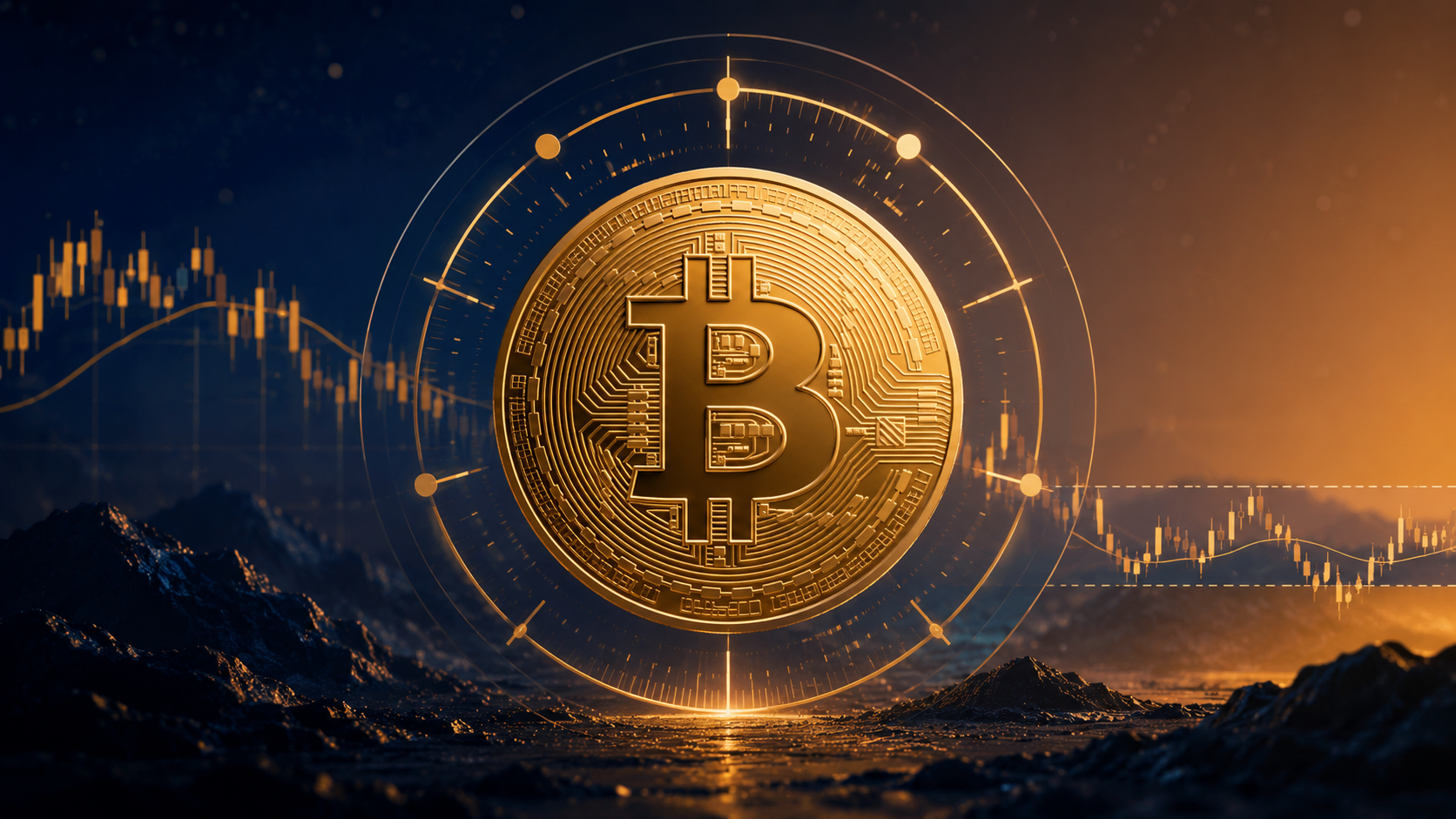
Bitcoin has recently made headlines as it surged to $77,000, breaking a four-year pattern of declines typically seen in May. This significant price movement occurs amidst ongoing geopolitical tensions, particularly between the United States and Iran. The market's confidence is reflected in a staggering 99.9% YES pricing for Bitcoin to remain above $68,000 on May 1. In this article, we will explore the factors contributing to Bitcoin's recent performance and what it means for the future of this cryptocurrency.

The Breaking of a Four-Year Pattern
Historically, May has been a challenging month for Bitcoin, often marked by price declines. However, this year marks a notable departure from that trend. The recent rise of 13% over the past 30 days suggests a shift in market sentiment. Analysts attribute this change to increasing institutional interest and inflows, indicating a robust demand for Bitcoin even in uncertain times.
Geopolitical Tensions and Bitcoin's Resilience
The ongoing tensions between the US and Iran, particularly under the military campaign known as “Operation Epic Fury,” have created a complex backdrop for Bitcoin's performance. Despite these geopolitical challenges, Bitcoin has shown remarkable resilience. It appears to have decoupled from its traditional correlation with gold, instead aligning more closely with equity indices like the Nasdaq. This shift highlights Bitcoin's evolving role in the financial landscape.
Institutional Investment Trends
The surge in Bitcoin's price can also be linked to significant institutional investments. As more institutions recognize Bitcoin as a viable asset class, the influx of capital has bolstered market confidence. Regulatory developments, such as the potential approval of Bitcoin ETFs, are expected to further enhance institutional participation. Monitoring these trends will be crucial for understanding Bitcoin's future trajectory.
Key Takeaways
- Bitcoin reached $77,000, breaking a four-year May decline pattern.
- Market confidence is high, with a 99.9% YES pricing for staying above $68,000.
- Geopolitical tensions have not deterred institutional interest in Bitcoin.
- Bitcoin's correlation with equity indices is strengthening.
- Regulatory changes may further impact Bitcoin's market dynamics.
FAQ
What caused Bitcoin's recent price surge?
The surge is attributed to increased institutional interest and a break from historical May declines.
How do geopolitical tensions affect Bitcoin?
Geopolitical tensions can create uncertainty, but Bitcoin has shown resilience and adaptability in such environments.
What role do institutional investments play in Bitcoin's market?
Institutional investments provide significant capital inflows, enhancing market confidence and stability.
Sources
For more information, visit the original article at Crypto Briefing.