

Introduction
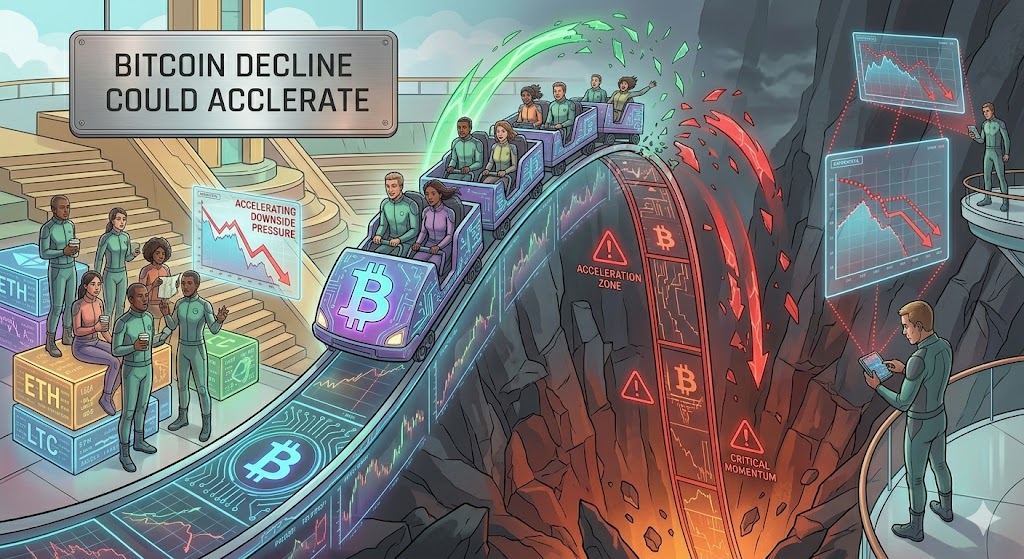
In recent weeks, Bitcoin (BTC) has experienced significant volatility, culminating in a sharp pullback that saw its price dip below the critical $70,000 mark. This level had previously served as a strong support zone for the cryptocurrency, making the recent decline particularly noteworthy. As the cryptocurrency market turns bearish once again, it is essential to analyze the factors contributing to this downturn and what it means for investors moving forward.
The Impact of Macroeconomic Factors
The recent decline in Bitcoin's price can be attributed to several macroeconomic events that have shaken investor confidence. Notably, the Federal Reserve's decision to maintain interest rates has had a profound effect on market sentiment. Following the Fed's announcement, Bitcoin's price dropped from approximately $72,400 to below $70,000 in a matter of hours, erasing gains made earlier in the week.
Market analysts have pointed out that during periods of high interest rates, capital tends to flow towards safer assets like bonds and cash, leaving riskier investments such as cryptocurrencies vulnerable. The Fed's decision to hold rates steady has reinforced the narrative of 'higher for longer,' which has further dampened enthusiasm in the crypto market.
Market Sentiment and Investor Behavior
The shift in market sentiment has been palpable, with bearish attitudes spreading rapidly among traders. This change in sentiment is reflected in the behavior of Bitcoin holders. While short-term investors may feel the sting of recent losses, long-term holders are more accustomed to the cyclical nature of cryptocurrency markets.
Interestingly, data from Santiment indicates that despite the recent price drop, activity among large holders—often referred to as 'whales'—has increased. In the past three months, there has been a notable rise in the number of whale wallet addresses holding 100 or more BTC, suggesting a renewed confidence among institutional investors.

Key Takeaways
- Bitcoin's price fell below $70,000 due to macroeconomic pressures.
- The Fed's decision to hold interest rates steady impacted market sentiment.
- Long-term holders remain resilient despite short-term volatility.
- Increased activity among whale investors indicates potential confidence in recovery.
- Future Fed meetings may further influence Bitcoin's price trajectory.
Future Outlook for Bitcoin
Looking ahead, the next Federal Reserve meeting scheduled for May 2026 could be pivotal for Bitcoin's price movement. If the Fed signals a shift towards rate cuts, it may reignite bullish sentiment in the cryptocurrency market. Historically, lower interest rates have been correlated with increased investment in riskier assets, including Bitcoin.
Additionally, external factors such as geopolitical tensions and economic indicators like the Consumer Price Index (CPI) and Personal Consumption Expenditures (PCE) will play a crucial role in shaping market expectations. Investors should closely monitor these developments as they could either bolster or undermine prospects for a rate cut.
FAQ
What caused Bitcoin to fall below $70,000?
The decline was primarily driven by macroeconomic factors, including the Federal Reserve's decision to maintain interest rates, which shifted market sentiment towards bearishness.
How do interest rates affect Bitcoin's price?
Higher interest rates typically lead to reduced investment in riskier assets like cryptocurrencies, as capital flows towards safer investments such as bonds.
What should investors watch for in the coming months?
Investors should monitor upcoming Federal Reserve meetings and economic indicators, as these could significantly impact Bitcoin's price trajectory.
Sources
For further reading, please visit the original article at Bitcoinist.