

Introduction
A recent ruling by a Manhattan federal judge has cleared the way for Aave, a decentralized finance (DeFi) platform, to move forward with its recovery efforts concerning $71 million in frozen ether (ETH) linked to a North Korean hacking incident. This decision comes amidst ongoing legal claims from terrorism victims seeking compensation related to North Korean cyber activities.
Background of the Case
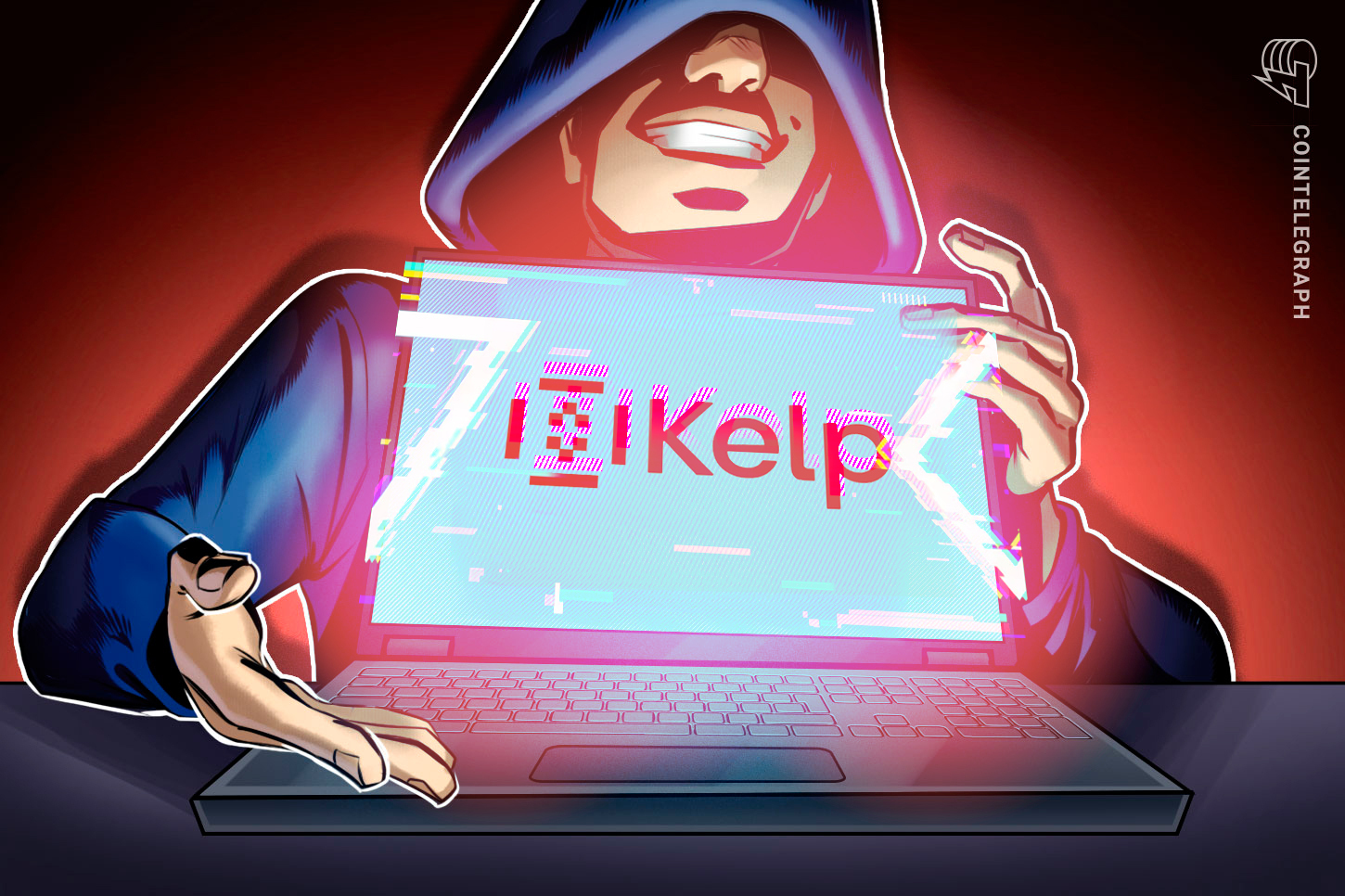
The case revolves around a significant exploit involving rsETH, which has been attributed to the Lazarus Group, a hacking organization believed to be supported by North Korea. Judge Margaret Garnett's ruling allows the transfer of these frozen funds out of Arbitrum, a layer-2 scaling solution for Ethereum, while ensuring that the legal claims of North Korean terrorism victims remain intact.
The Legal Framework
In her two-page order, Judge Garnett modified a restraining notice that had previously been served on the Arbitrum DAO. This modification permits an on-chain governance vote to facilitate the transfer of the immobilized ETH to a wallet controlled by Aave LLC. The ruling also provides legal protections for participants involved in the transfer process, stating they will not be liable under the existing freeze notice.
Community Response
The ruling follows an off-chain Snapshot temperature check where Arbitrum delegates expressed overwhelming support for returning the frozen ETH as part of Aave's broader recovery strategy. However, it is important to note that any actual transfer will require a separate binding on-chain governance vote, which adds another layer of complexity to the process.
Implications for DeFi
This ruling is significant for the DeFi space as it highlights the ongoing legal challenges associated with North Korean-linked assets. Attorney Charles Gerstein, representing families holding substantial unpaid terrorism judgments against North Korea, has argued that the frozen ETH could be subject to seizure due to its connection with the Lazarus Group's exploit. This case is part of a larger strategy to pursue North Korean-linked assets as they become visible on DeFi platforms.
- Judge Garnett's ruling allows Aave to transfer frozen ETH.
- The ruling preserves legal claims for North Korean terrorism victims.
- Participants in the transfer are shielded from liability.
- A separate governance vote is needed for the actual transfer.
FAQ
What is the significance of the ruling?
The ruling allows Aave to recover frozen funds while protecting the legal claims of terrorism victims.
Who is the Lazarus Group?
The Lazarus Group is a hacking organization linked to North Korean cyber activities, known for various high-profile exploits.
What are the next steps for Aave?
Aave must conduct a binding on-chain governance vote to finalize the transfer of the frozen ETH.
Sources
For more information, visit the original article on CoinDesk. Additional context can be found on CoinMarketCap and CoinGecko.